Good Scran and the Innocence of Youth: Starting a Vegetarian Business in 80s Glasgow with Margaret Gibson
In this post, I chat with Margaret Gibson (aka, my maw), who’s had a long career across a range of sectors. Today we’re going back to the start of it: setting up Wild Rice, a vegetarian ready-meal business, in Glasgow in 1986, when she was 23 and a vegetarian section on a menu didn’t exist.
Today I want to ask about your time running Wild Rice, which might set the scene for some stuff we talk about in future. But first, talk us a wee bit about yourself.
My name is Margaret Gibson, and I’ve had a long and very varied career in lots of different sectors.
I should probably start from where the inspiration came from. In 1984 or 85, I decided to take on a lot of jobs, earn as much money as possible, save up, and go away travelling. Nowadays that’s called a gap year, but I was a council house kid from an estate. I just really liked the idea of travelling a little bit, learning a bit of a language, and having a different experience. So I had about four jobs on the go.
What kind of things were you doing?
I worked in an art centre, the Third Eye Centre. I worked in a bar. I did some cleaning at one point, babysitting, just trying to save as much as I could. I also signed up for night classes in Italian, and ended up studying for what was then an O grade. So I got the basics of the language and went off to Italy.
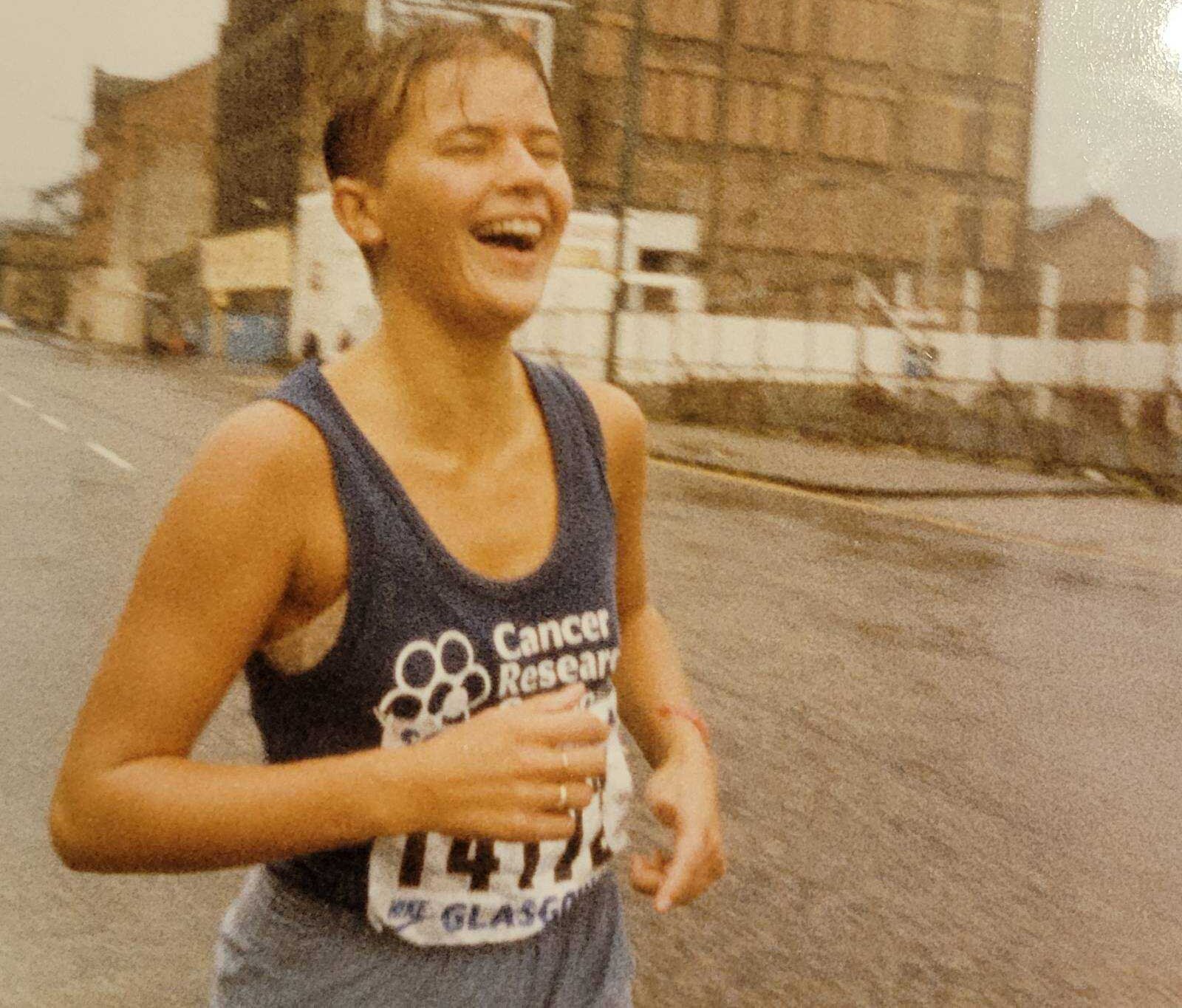
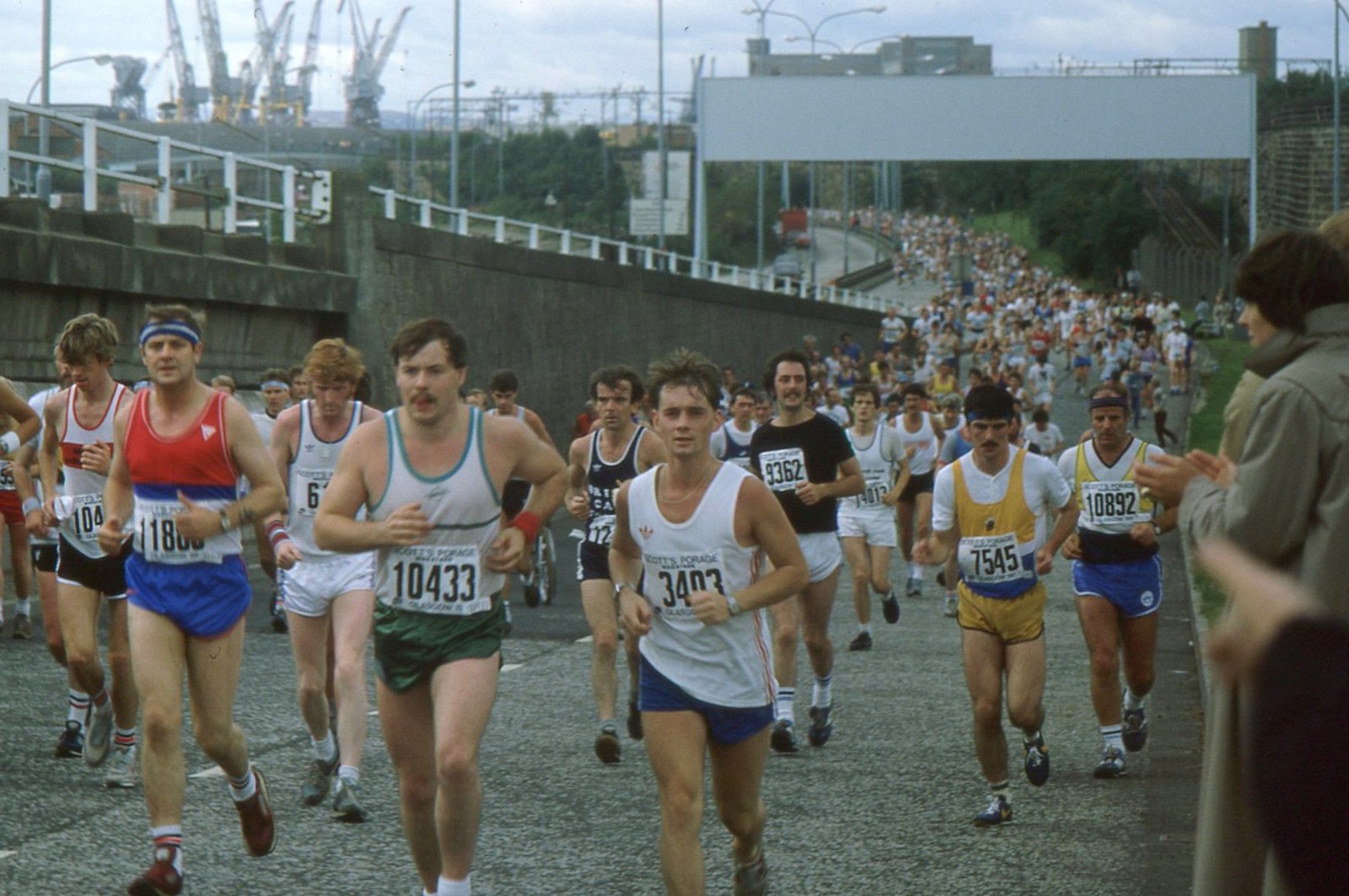
While I was away, I started to eat less and less meat. I was really impressed by just how delicious simple ingredients were without meat added to them: lovely roasted vegetables, or courgette flowers stuffed with ricotta. Things I’d never even imagined existed. I was also training for a full marathon that summer, so I was getting up at 6am to run before the heat of the day, and then I came back to run the Glasgow Marathon at the end of September.
When I came back, a girl I’d been at school with approached me and said she was thinking about setting up a small business. She’d become really interested in vegetarianism, and I said, well, that’s quite strange, I have as well. So at that point I decided to cut meat out of my diet completely and became a lacto-ovo vegetarian.
What was that like in Glasgow in the 80s? Were people like, “wit ye daein’”?
It was a lot more difficult, let’s put it that way. If you ever had enough money to go out for dinner, it would have been some sort of lasagne or a cheese salad. Ethnic food was a bit easier, you could always get a vegetable curry, but there was never a vegetarian section in a menu. It just didn’t exist.
So we spent about three months, from the end of September, doing loads of research, writing business plans, speaking to banks, finding any grants we could apply for, and finding somewhere to set the business up. When I look back now, we did it with so little experience, and with the innocence of youth, perhaps not quite realising the challenges ahead. We signed a lease on a workshop and kitted it all out. We’d got a couple of grants because we were under 25, and my mum and Linda’s mum, Linda being the girl I set the business up with, each gave us a thousand pounds as a loan.
A thousand pounds then, that’s not nothing, even nowadays.
The reason my mum, a factory worker, had a thousand pounds was that she’d been made redundant from her factory job.
Would this have been White Horse, aye?
White Horse whisky, yeah. So it wasn’t like my mum had thousands sitting in the bank. It was a really big thing for them to do, and a really big amount of faith in us when you consider we were 23.
We bought a lot of second-hand equipment, including stainless steel work tables and benches from a bakery that was closing down. We rented a power washer, and when we turned them upside down they were covered in maggots. It just hadn’t been a very clean bakery, which maybe explains why it closed down.
I suppose their failure was your success.
Yes, because we got them for next to nothing. We power washed them all, and then we had really good quality materials to work with. We perfected recipes and did a lot of market research. We asked local health food shops if we could do tastings, and that gave us a lot of really good feedback.
What we found was that people did want healthy vegetarian food, but just like everybody else at that time, they wanted to come home and stick something in the oven. It was the early days of ready meals. If you’d forgotten to soak your beans, it’s quite a lot of work. Whereas we were saying, here is a really healthy ready meal with no sugar, no preservatives, no additives at all. It’s basically homemade.
We got the business up and running on the 6th of January 1986, and quite quickly it did really well. But we’d take orders and hand deliver them, so two or three days a week you’d be taking a dozen lasagnes here, twelve chillies there, and eventually that wasn’t very cost effective. We needed to spend the time making the food, not delivering it.
So what changed?
The challenge was we didn’t have much of a safety net. When we took a dozen lasagnes to somebody, we got paid for them there and then, so we were getting money in every day. We couldn’t afford to put a freezer van on the road, but could we deal with a distributor that had freezer vans and could sell our products? Again, with that innocence of youth, we didn’t think anything of picking up the phone and asking if we could come and speak to people, and we got taken on by quite a well-established frozen food distributor.
They were quite demanding about the quality of the packaging and labelling, so it cost us quite a lot of money to start working with them. And their terms of trade were 30 days, which meant we had to wait 30 days to be paid.
So you’d be 30 days in the hole before the money came in?
And we didn’t really have much of a cushion to tide us over, so we started on the back foot. When I look back now, it was too soon. What we should have done was build up a nest egg of capital to take us to that next stage of growth. But we were very naive in many ways.
It would have been okay if that company were good at paying at 30 days, but they weren’t. Bigger companies so often put pressures on small businesses that they don’t realise. You’d spend two weeks after the 30 days phoning, trying to get somebody from accounts to sort out the invoice, and suddenly it would go to 60 days, sometimes 90. And if you started sending lawyers’ letters, that’s eating into your profits.
So it became quite a stressful time in my life. But we persevered and built up a fairly substantial business, and at one point we had four employees. Which is a different kind of stress as well.
Right, because folk are paying the rent and filling their bellies off the thing you’re running. If you mess up, it impacts other families.
Yes, definitely. And bear in mind we were growing as people too, and I think we both realised we were quite different. My business partner was in a very long-term relationship that wasn’t going well, and her heart was very much on to a new relationship and wanting to do something different. So after a couple of years, she left the business and went off travelling herself.
However, again, that naivety. I let her go, but we were in a lot of debt. We had borrowed a lot of money to survive and to buy new equipment as the business grew. She would probably have said, oh yeah, but I handed you the business. But the business at that time…
…wasn’t an asset.
No, it wasn’t an asset. I took that on, and that caused a lot of stress for me over the following few years.
However, it taught me an awful lot about business. I started to realise I was pretty good at looking at trends, at the whole marketing of things, and I was good with people. I started getting asked by a lot of schools, colleges, and universities to come in and speak to students about what it’s like to set up in business as a young entrepreneur, the pitfalls and the advantages. And the more I did that, the more I realised I had quite an unusual skill set.
What do you mean?
When you’re younger, you tend to have fewer responsibilities. The older you get, you might have a family, a mortgage, car payments. My life was quite small in terms of commitments, so I had an opportunity a lot of people 20 years older than me didn’t have. And I learned an awful lot about people, how to manage people, and the opportunities and challenges of establishing a small business. You could probably read about them in a university programme, but actually living them gives you a daily experience of the world of work.
You can read about it, but what you actually learn is how it relates to who you are as a person.
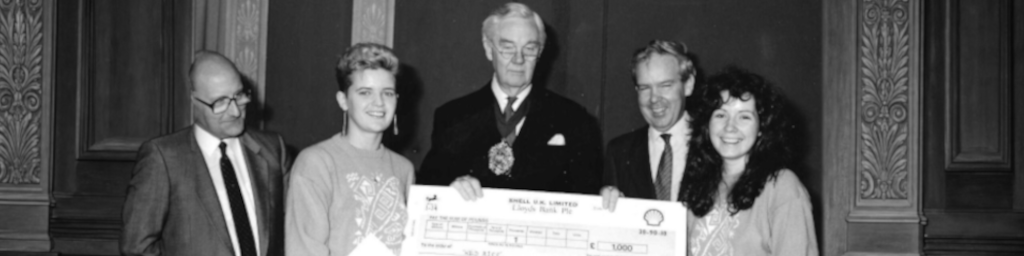
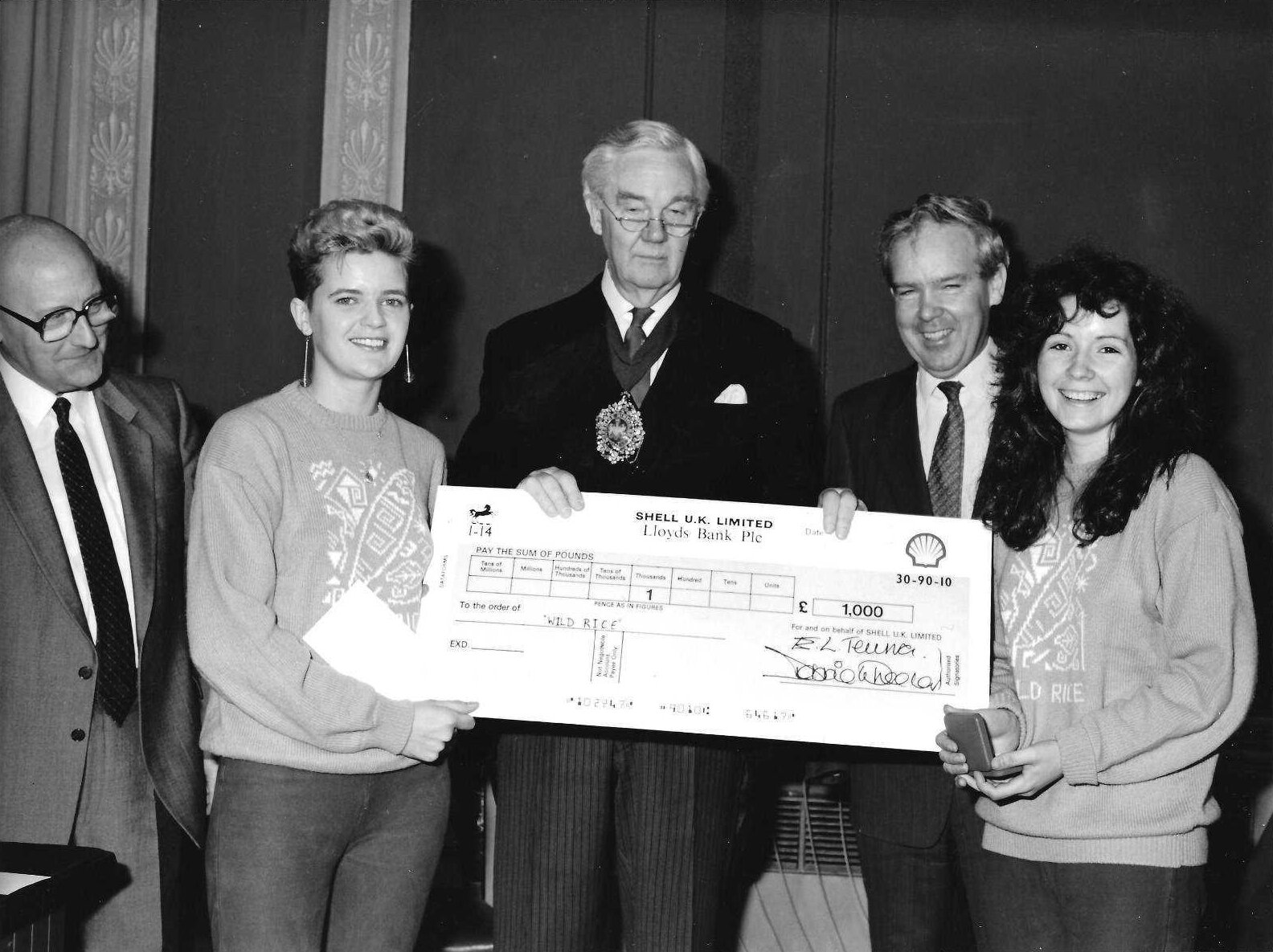
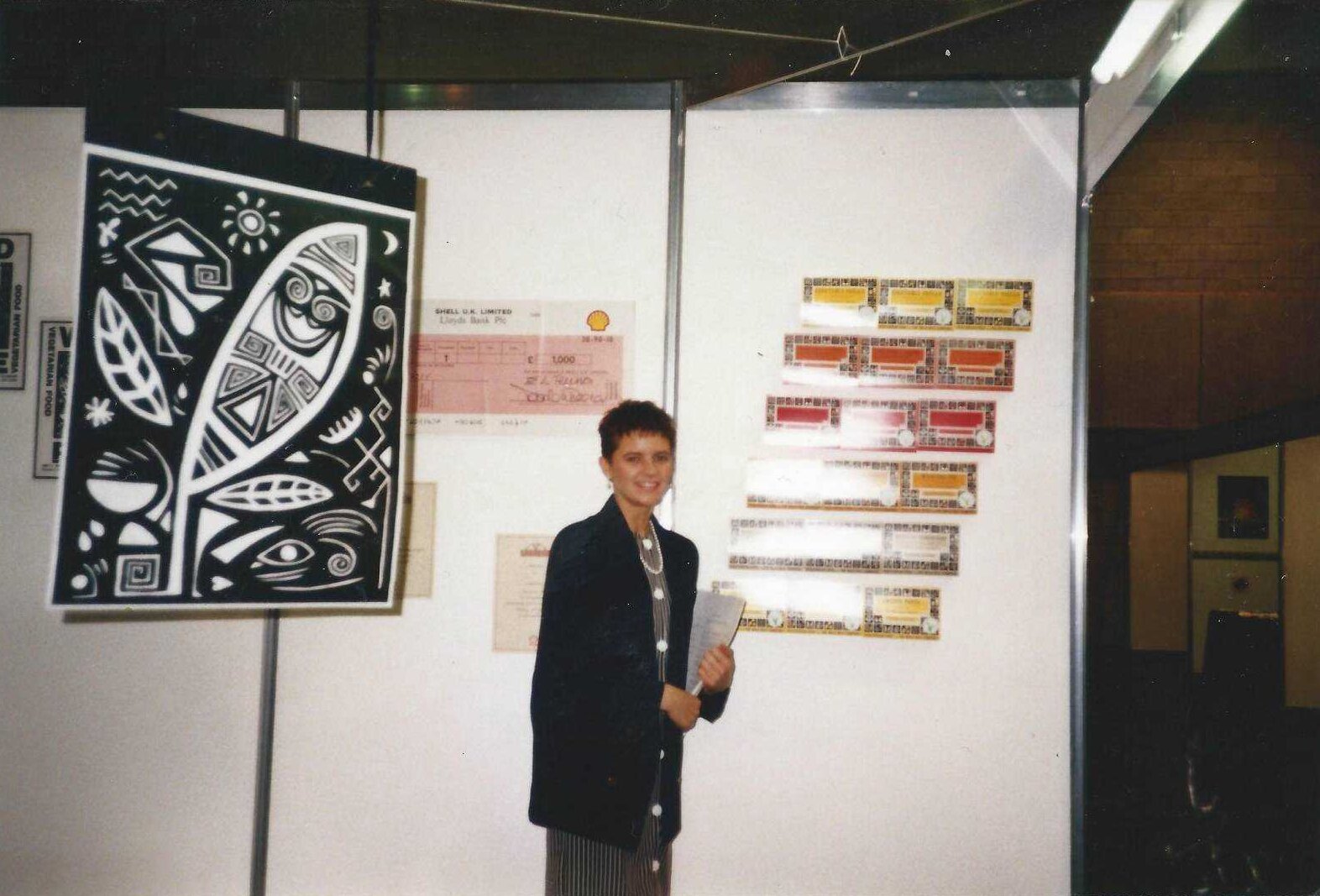
Yeah, definitely. And from the business point of view, we did win quite a lot of prestigious awards. We won the Scottish Shell LiveWIRE competition, which at the time was a really big thing. You went down to London with all your expenses covered, put up in a lovely hotel, with trips to the theatre and beautiful meals. It felt very glamorous. It wasn’t the first time I’d been to London, but it was certainly the first time I’d been able to have a nice experience like that.
There were something like 20 or 25 finalists from all over the UK, and we came runners up. The prize was presented by the Lord Mayor of London, and you got a nice photograph and stuff like that.
I also started getting asked to judge business competitions, which is something I’ve taken right through. I’m the longest-serving assessor for the Scottish EDGE fund, and I’ve judged every round apart from the pilot. Twice a year I read a dozen or so business applications and then interview the founders. So that grounding I had myself 40 years ago, and the experience I’ve built on since, I’m still using. It was a very challenging time in my life, but I certainly don’t regret it.
Vegetarianism was pretty fresh in the Scottish zeitgeist, it was a woman-run business, and maybe there was a class component too. Were there any challenges along those dimensions that stuck out to you? It’s hard for me to imagine what the 80s were like.
Bear in mind it was just after the punk era. I knew a lot of people, myself included, who used punk to express ourselves, whether that was singing in a band, which I did, or playing instruments, setting up fanzines, setting up music labels. There was a sense of young people coming together to change things. It felt quite a dynamic time to be young, actually.
I didn’t particularly feel there was a lot of sexism. There was a bit of being patronised, but you could probably ask 22 or 23 year olds now if that still happens, and of course it does. People still patronise young people. They perhaps don’t realise they do it. The social class thing, I probably wasn’t aware of, but then I wasn’t particularly mixing with people that were very wealthy.
That’s interesting. When I interviewed Glenn Gibson, he talked about that “you can do it too” spirit too. It seemed to really energise that generation.
Yeah. And sometimes, sitting here now, it’s really easy to think the world’s in a bad place. But actually, the majority of people I meet are good and decent people. There’s a small percentage that are not, and unfortunately they’re probably quite vocal. But most people just want to live a good and decent life with…
…some good scran.
Good scran, yeah.
It's been an expensive apprenticeship, but I wouldn't have got the job I went on to do if I hadn't done what I'd done.
Looking back on Wild Rice, what was your best day, and your worst?
The best day was probably winning the Scottish Shell LiveWIRE competition. It was in the Mitchell Theatre, at the library in Glasgow, with a really big audience, and it just felt really special. A real high moment in my life. I’ve still got the physical award, and we got a lot of press coverage from it. It was nice for my parents to see their girl in the Daily Record or the Herald, the newspapers they read.
Aye, makes it real.
And probably my mum felt a bit more secure about her thousand pounds, which I have to say was paid back in full. My mum used to come and visit the manufacturing unit and help out, washing or chopping vegetables. When my nephew Graeme was born, she looked after him while his mum was at work, so he’d quite often come in in his pram. He loved coming to the unit. We had a potato peeler machine, quite noisy, where you poured the potatoes in and the water ran through and they all came out peeled. He loved opening the door when all the potatoes fell out into the big bucket. That was his job, until he was about four or five and started school.
And the worst day?
Probably when I got a red bill for the electricity and I was thinking, I don’t have any money, I’ve got food in the freezer, and if they cut the electricity off, I don’t know what I’m going to do. I obviously found the money, because I paid the bill, but I was so upset by it that I’ve blocked out where I got the money from. Possibly my mum, or maybe I sold something.
Did you ever have to shake someone down?
No. I have been quite angry with people for not paying invoices, right enough. It’s the injustice. You’ve put a lot of love and care and attention into the food, put it into really nice packaging which you’ve spent a lot of money on, delivered it, they’ve sold it, and then they don’t pay you for it.
Anyone that still owes you money? We could go out after we’ve had our chat.
No, no. When I eventually decided it was time to stop the business, I needed a bit more stability in my life. I’d like to do something different. I was doing a lot of guest speaking, and one of the colleges I’d studied a communications qualification at had set up an enterprise unit. The business advisor I’d had a lot of advice from said they’d really like me to join their team, because a lot of their students would relate to me as a young person. He knew I was in a difficult position financially, and a wee bit at a crossroads, so he offered me a job.
So I wound the company up. I sold as much as I could, and whenever I got money in, I paid any outstanding invoices. The only one left to pay back was the bank, and I agreed a repayment plan. I knew it would take about three years to repay the loan and the overdraft. But it felt like, okay, it’s been an expensive apprenticeship, but I wouldn’t have got the job I went on to do if I hadn’t done what I’d done.
In retrospect, it was a great launch pad for the next 20 years of my career. I worked in the enterprise unit at the college, as it was then, for two years, and then took a job that lasted 20 years. So it was a special time.
There’s a lot more to discuss, and other directions to go in, but we’ve had quite a big chat there. To finish: what’s your favourite food?
I actually really love chickpeas. They’ve just got such a delicious texture and taste, and they’re so versatile: through a stew, mashed up for hummus, made into flour for flatbreads. I really like chickpeas through a curry. Low fat, high protein, just really nutritious.
What’s your thought on calling them garbanzo beans?
Well, if that’s what they’re called in your country or your culture, you stick with it. But when I was introduced to them, they were chickpeas, so they’ll always be chickpeas in my mind. But if that’s not your name for them, I’m not going to fight with you.
Well, thanks very much for your time, Margaret.